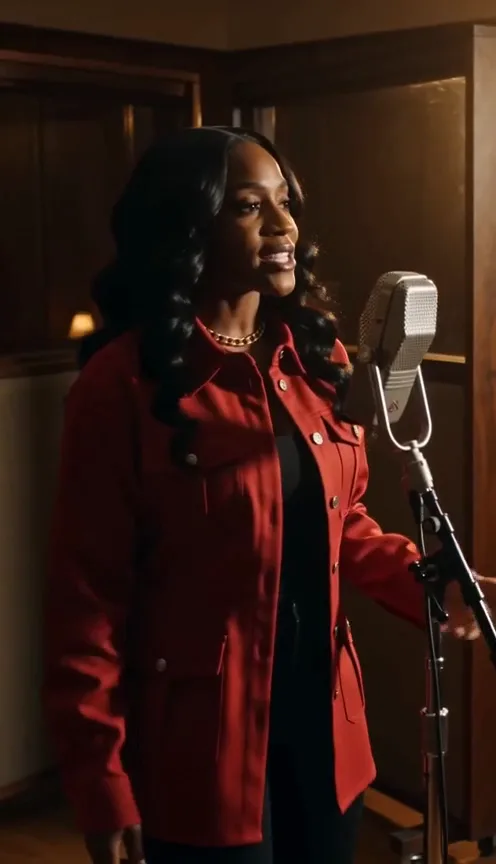


Caption the sound that carries meaning
Captions for a rap video should communicate the words and the non-speech sound information needed to understand the scene. That can include a meaningful laugh, a sudden musical stop, an off-screen response, or a sound that explains a performer's reaction. W3C's media guidance makes this distinction clear: captions convey necessary audio information, not just a lyric transcript. Build a sound review into the edit rather than treating every sound as either decoration or a word to be transcribed.
Start with the final selected soundtrack. Intended lyrics, a generation prompt, and an earlier rough mix are not reliable substitutes for what viewers will actually hear. AI Rap Video Plus produces generated audio with its scenes and does not guarantee exact wording. Use an external editor or captioning workflow to prepare and check captions against the actual finished audio. Keep the generated original available so uncertain moments can be compared without relying on memory or an automatic transcript alone.
Make a listening map before writing cues
Listen once for the spoken or rapped material, then again for everything else. Note where sounds begin and end, whether they change the scene's meaning, and whether their source is obvious. Keep this listening map separate from the visible captions during preparation. It can contain detailed observations that help you decide, while the final caption cue remains concise. This avoids turning your first enthusiastic description of every layer into text that the viewer must read.
For a proposed scene in which a performer pauses after a door closes, the door sound may explain the pause. A faint unrelated background texture may add little information. Ask what a viewer would misunderstand if the cue were absent. This question does not produce a mechanical answer for every sound, but it gives the decision a purpose. Record uncertain choices for review with someone who uses captions when possible, rather than assuming that the creator's listening experience represents every viewer's needs.
Distinguish sound information from visual description
A caption cue describes relevant audio. If a performer turns toward a window silently, that visible action is not automatically a sound caption. If an off-screen knock causes the turn, the knock may be essential audio information. Keep these roles distinct so the caption track does not become a second commentary layer describing every visual event. Projects may need other accessibility support, but adding unrelated visual narration into lyric captions can overload the reading experience.
The distinction is especially useful with synthetic scenes, where a plausible visible action may not have a matching sound. Do not invent a footstep cue simply because a foot appears to move, or label an instrument as playing when it is only part of the background image. Caption what is actually present in the selected soundtrack. If the audio and picture conflict in a way that damages meaning, consider fixing the external edit rather than asking a caption to explain away a confusing production choice.
Write music cues with a clear job
W3C's transcription guidance advises including background music when it matters to understanding and using objective descriptions instead of praise. A cue should tell the viewer something useful, such as a change in musical character or an interruption, rather than announcing that a beat is excellent. In a rap video, the music may be central, but that does not mean every drum hit needs a separate label. Choose information that helps the viewer follow the work.
For an original proposed edit, a cue such as 'music cuts out' could make a deliberate silence understandable before the performer delivers a final phrase. A cue describing a continuing rhythmic bed might belong near its introduction rather than repeatedly competing with each lyric. These are editorial examples, not a mandatory notation standard. Agree on a consistent convention with the captioner or publisher and keep the actual audio as the authority when deciding where a cue begins and ends.
Identify voices only as far as the scene supports
A viewer needs to know who is speaking when that identity affects comprehension and cannot be inferred clearly. An off-screen response may need a speaker cue, while a single visible performer may not need their name repeated on every line. Avoid assigning an identity that the production has not established. A generated background voice is not automatically a named collaborator, and a synthetic crowd response should not be described as a real audience recording.
Keep speaker naming consistent with the approved credits and the actual scene. If the voice cannot be identified, use a suitable neutral description rather than inventing a person. Check whether overlapping responses are intelligible enough to transcribe and ask the appropriate reviewer about uncertain words. Do not silently replace an unclear callout with a phrase that would fit the rhyme. The caption track should preserve the sound's information honestly, including uncertainty when the words genuinely cannot be established.
A worked sound map for a fictional corridor clip
Imagine a proposed clip with a single performer in a fictional corridor. The soundtrack begins with a restrained beat, includes two clear lyric phrases, then adds an off-screen laugh before the performer answers. The beat stops just before the final line. A useful preparation map would mark the musical entrance, the lyrics, the laugh, the response, and the stop. It would also distinguish a low ambient hum that may not affect interpretation.
The captioner could then decide which cues are needed to preserve the exchange and musical break without crowding the lyric phrases. The laugh matters if it explains the response; the stop matters if the final line relies on the sudden absence of music. The hum may be omitted after review if it adds no relevant information. This is a proposed exercise, not a finished caption track. Its acceptance condition is that a silent viewer can follow the exchange and understand why the final line has a different dramatic space.
Keep cues from fighting the lyrics
Fast lyrics already demand reading time. Place a relevant sound cue where it reflects the audio while remaining understandable alongside the words. If two essential elements overlap, review the layout and phrasing rather than automatically deleting the sound information. A concise cue may communicate enough without a long explanation of the instrument, production style, and emotional interpretation. The creator's full sound-design note belongs in the project record, not necessarily on screen.
Watch for visual collisions as well. A cue may cover the performer's expression, a necessary title, or an important gesture. Use the external captioning workflow to adjust placement where the delivery method supports it, then check the actual exported or player-rendered result. Do not assume styling behaves identically in every environment. A cue that looks comfortable in the editor can become cramped in the intended display, especially when the video also contains permanent promotional text.
Review automatic captions as a draft
Automatic transcription can provide a starting point, but W3C advises accuracy checking rather than treating an unreviewed result as sufficient. Rap delivery can make it particularly important to inspect word boundaries, names, repeated phrases, and brief responses. Listen to every line against the selected audio. Then make a separate pass for meaningful sounds the transcription may not have represented. The creator should not assume that an accurate lyric line implies a complete caption track.
Keep corrections tied to the current export. If the external edit changes the music entrance, trims a laugh, or replaces the last phrase, update the captions and their timing. Name the caption file so it maps to the same version as the video. Preserve a clean picture and an editable caption source where useful. That organization makes it easier to create a correction without retyping the whole track or accidentally applying an earlier sound map to a later soundtrack.
Use a silent comprehension exercise
Ask a reviewer to watch the captioned video with sound off and describe what happens. Give specific questions: who responds to whom, where does the musical mood change, and which sound explains the performer's reaction? Compare their description with the intended scene and the listening map. If a necessary connection is missing, review the relevant cue. If the reviewer is overwhelmed by labels for trivial sounds, simplify those cues while preserving the important information.
Then restore sound and check for information introduced only by the captions. A cue should not invent a reaction, exaggerate a mood, or name an unheard event. Record required corrections with timestamps and repeat the affected passage after revision. This exercise is a practical review tool, not proof of complete accessibility or a substitute for relevant professional review. It helps the creator notice when captions accurately preserve meaning and when they have become an extra layer of unsupported storytelling.
Questions about sound captions in short clips
Does every clip need a cue saying music is playing? Decide from the soundtrack and its role rather than adding the same label automatically. A meaningful musical change or a sound-dependent joke deserves deliberate attention. Should cues describe the beat as amazing or aggressive? Prefer concrete, defensible descriptions and avoid inserting praise or an interpretation that the sound does not clearly support. The viewer should receive useful information, not the creator's promotional reaction.
Can a lyric transcript alone be enough? Sometimes it captures most of the audible meaning, but check the non-speech sounds before making that decision. A laugh, interruption, or sudden stop may change how a line is understood. The finished caption track should let someone follow the actual scene without hearing it, while staying honest about what the soundtrack contains. A listening map, concise cues, checked words, and a silent review give the creator a repeatable way to reach that goal.