

Treat the name as required meaning
When a rap video centers on a person or place, pronunciation is part of the message. Confirm the preferred pronunciation and spelling before writing the line, give the name enough space in the phrase and listen to the actual generated result before captioning or sharing. A pronunciation note can guide a creative brief, but AI Rap Video Plus does not guarantee exact wording or speech. If saying the name precisely is essential, plan an audio-controlled alternative.
A misspoken name can change the emotional effect of an otherwise attractive clip. A birthday greeting may feel impersonal, and a hometown reference may sound careless. Decide which names are essential and which are optional decoration. This lets you focus review on the details that carry the relationship rather than loading a short verse with several uncertain proper nouns.
Do not infer a person's preference solely from how a name looks in writing. Regional, family and personal pronunciations can differ. Ask the person or a trusted speaker, using only the information needed for the project. Keep any reference recording private unless there is permission to use or share it.
Make a compact pronunciation record
Create a small record with the written name, the preferred spoken form, a plain-language cue and the person who confirmed it. For a place, note the intended local form and the language in which it should be spoken. If the same spelling has several pronunciations, explain which one belongs to this project rather than declaring one universal version correct.
Use a short spoken reference when available and permitted. Written phonetic hints can be misunderstood across languages and accents. A cue that seems obvious to one writer may suggest a different vowel to another. If you use a technical phonetic notation, make sure the person interpreting it understands that notation; its appearance alone does not make the instruction more useful.
Keep this record separate from public captions. Captions normally need the correct name spelling, while the creative brief may need a pronunciation explanation. Putting a pronunciation workaround into the visible name can create a different error. The record should also distinguish a stage name, a legal name and an affectionate nickname where relevant, so later language versions do not substitute one without permission.
Give the name room in the lyric
Write the plain sentence you want to communicate before building the rhyme. If the message is that a friend from a particular town helped start the project, preserve that fact first. Then shorten surrounding words until the name can be spoken comfortably. Do not make the name fight a rapid string of other proper nouns or a complicated internal rhyme merely to sound technically impressive.
Read the proposed line aloud at the intended energy. Notice whether you naturally swallow a syllable, rush the ending or shift the stress to reach the rhyme. Revise the line before generation. A simpler phrase may sound more personal than a dense one because the listener can actually hear the name and understand why it matters.
Keep optional details outside the main spoken line. The full event title, venue name and date might fit better in controlled text added later in an external editor. This does not mean captions should pretend those details were spoken. Separate identification from transcription. A visible title can accurately name the location while the audible performance uses a shorter, approved reference to it.
Write guidance without promising control
In the scene brief, state the intended language and the key name clearly, with a concise pronunciation cue if it is useful. Keep the rest of the performance direction manageable. A long explanation of every sound, several alternate spellings and competing language instructions can obscure the main request. The brief is guidance to generation, not a guaranteed speech synthesis specification.
Review the chosen model, duration and resolution settings in the studio and inspect the displayed credit quote before explicitly submitting. Decide whether the purpose of the take is to explore the scene, the delivery or the treatment of the name. Avoid changing all of those at once if you want to understand why the next result differs.
Set a stopping condition before you spend. For a casual concept, you may accept a recognizable local variant after checking with the recipient. For a formal announcement, a name error may make the take unusable. Repeatedly resubmitting a brief is not a dependable plan for exact speech, and ambiguous or still-running jobs should not be resubmitted automatically. Check their status before considering another billable action.
Work through a hometown dedication proposal
Imagine a proposed dedication to a collaborator whose stage name is “Mara Vale,” with a reference to a small hometown. The writer first confirms how Mara says the stage name and how the intended audience says the town. Instead of fitting both into a crowded boast, the hook gives the stage name a clear opening phrase and moves the hometown reference into a separate, simpler thought.
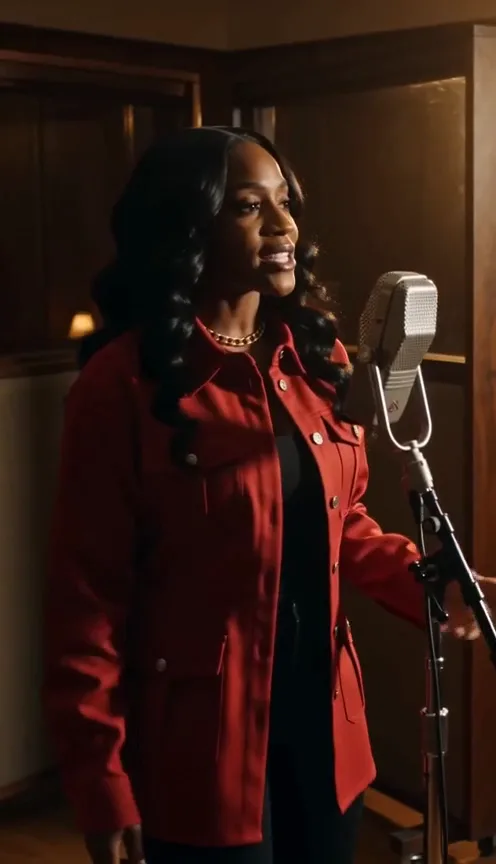
The scene can remain visually modest: one performer, a readable face and a calm setting. There is no need to add exact choreography while testing a delicate spoken detail. If a reference image is used, remember that it guides appearance rather than guaranteeing identity continuity. The pronunciation review and the image review are separate acceptance decisions.
Suppose the actual result says the stage name clearly but changes the town. That is not automatically a complete failure or an acceptable compromise. Listen to the changed meaning and ask whether the dedication still works. You might keep the clear name phrase, use a supporting shot for an externally recorded dedication, or remove the town from the audible concept. These are proposed options, not a claim that editing will invisibly repair every sound.
Review the output before creating captions
Listen once without looking at the written lyric. Write the name as you hear it or describe the sound that differs. Then compare with the approved reference. This reduces the tendency to hear the intended word simply because it is printed in front of you. Ask a competent speaker when the difference concerns a language or regional pronunciation you do not know well.
Inspect the whole phrase, not only the isolated name. The name may be accurate while the surrounding words imply the wrong relationship, event or location. Generated sound can also include an unexpected extra phrase. A technically clear pronunciation does not make the complete message safe to share with the intended recipient.
Only after this review should you prepare captions. Use the correct spelling for an accepted pronunciation, but do not use a caption to conceal a genuinely different name. If the audible result refers to someone else or creates confusion, choose a different excerpt or workflow. Text can clarify identity; it cannot change what the listener hears. Keep the transcript and the approved identification text as separate records when they serve different purposes.
Prepare an honest alternative edit
If the name is indispensable and the generated take does not say it correctly, preserve the useful picture and reconsider the sound plan. You may use a permitted original recording in an external editor, place a clear spoken introduction before the performance or make the generated clip a visual accompaniment rather than a precise named delivery. Choose an option whose limitations you can explain accurately.
Replacing audio does not automatically align visible mouth movement. A non-speaking cutaway, a wide shot where speech is not the focus or a controlled title card may provide a more coherent place for the correct name. Do not describe that edit as exact lip sync unless the actual result supports the claim. If the recipient expects their own voice or a faithful recording, a scene-generated performance may be the wrong source for that requirement.
Keep the alternative simple enough to review. A dedication can be personal because the right person is named clearly in a meaningful context, not because the name appears in every rhyme. Save the original source and any replacement recording with permission notes, so a later revision does not accidentally restore the incorrect version.
Use a pronunciation sign-off exercise
Build a short checklist for the essential names: spelling, spoken form, intended language, surrounding meaning and caption treatment. Ask the confirming speaker to review the exported passage at normal speed. Have them identify the first moment that feels wrong rather than giving only a general verdict. That feedback distinguishes a pronunciation problem from rushed pacing or an unfamiliar accent.
Can a phonetic spelling solve every case? No. It may help communicate intent, but different systems and speakers can interpret it differently. Keep the original spelling in the project record and treat the actual output as the object of review. If exactness is a requirement, choose the production workflow accordingly.
What if a person accepts a variant? Record that preference for this project rather than treating it as a rule for everyone with the same name. Before sharing, verify the final audible version and visible text together. Keep the approval tied to the exact exported file, not merely the draft lyric or a preview in the editor. If you later change the audio range, speed or caption timing around the name, replay that passage before replacing the delivery copy. A small edit can remove an initial syllable or expose a different take without changing the visible title. A careful name review protects the specific personal detail that made the rap video worth creating in the first place.